MIRROR / RISPECCHIARE
Mostra di Judy Goldhill e Sophie Loss
Mirror / Rispecchiare presenta una nuova ricerca degli artisti londinesi Judy Goldhill e Sophie Loss, sviluppata a partire dal confronto diretto con gli spazi di VISIONI ALTRE e con la particolare stratificazione storica e architettonica del Ghetto di Venezia.
La mostra riunisce due pratiche artistiche differenti ma accomunate da una riflessione sul rapporto tra spazio, percezione, memoria e rappresentazione. Attraverso fotografia, costruzione e interventi tridimensionali, gli artisti elaborano una risposta specifica al luogo, instaurando un dialogo tra le opere, l’architettura della galleria e il contesto storico nel quale essa è inserita.
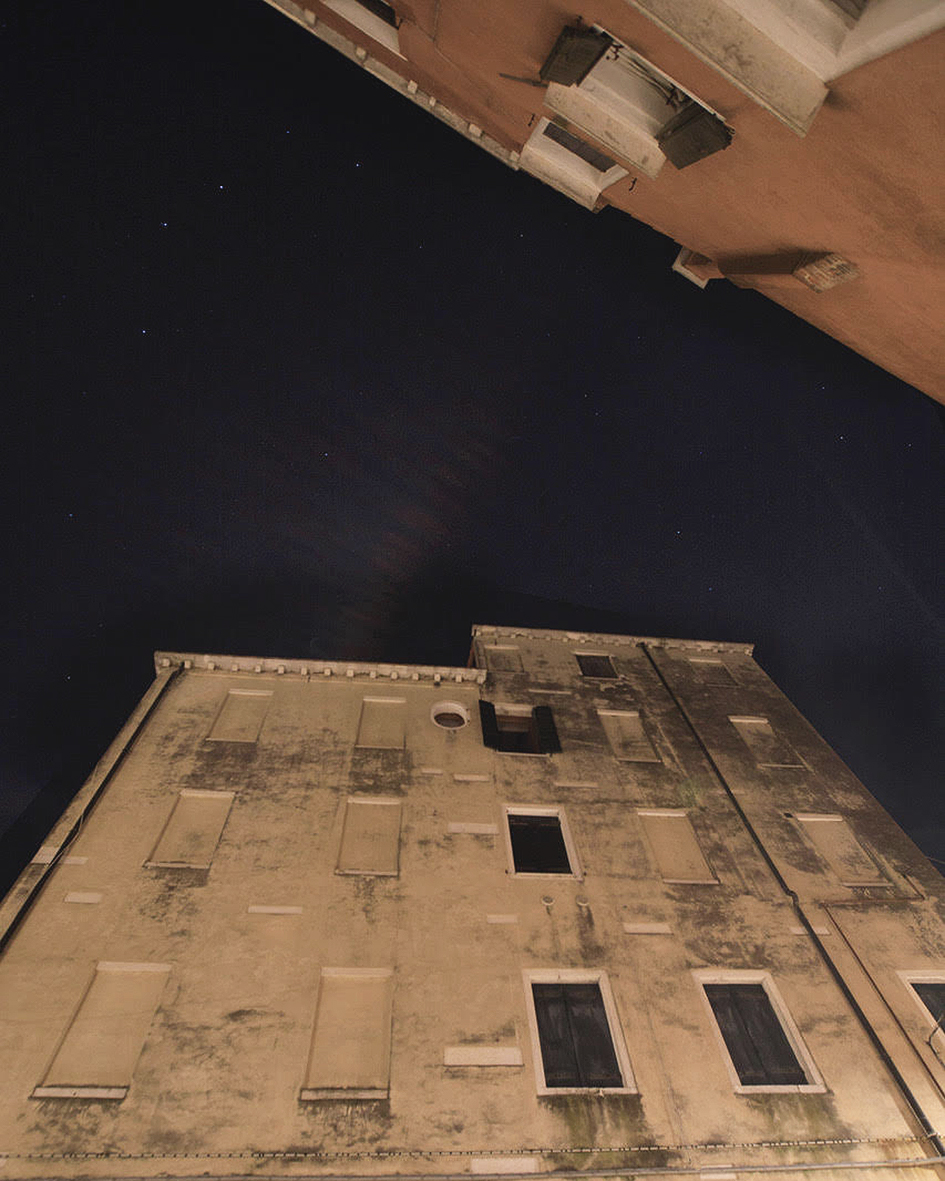
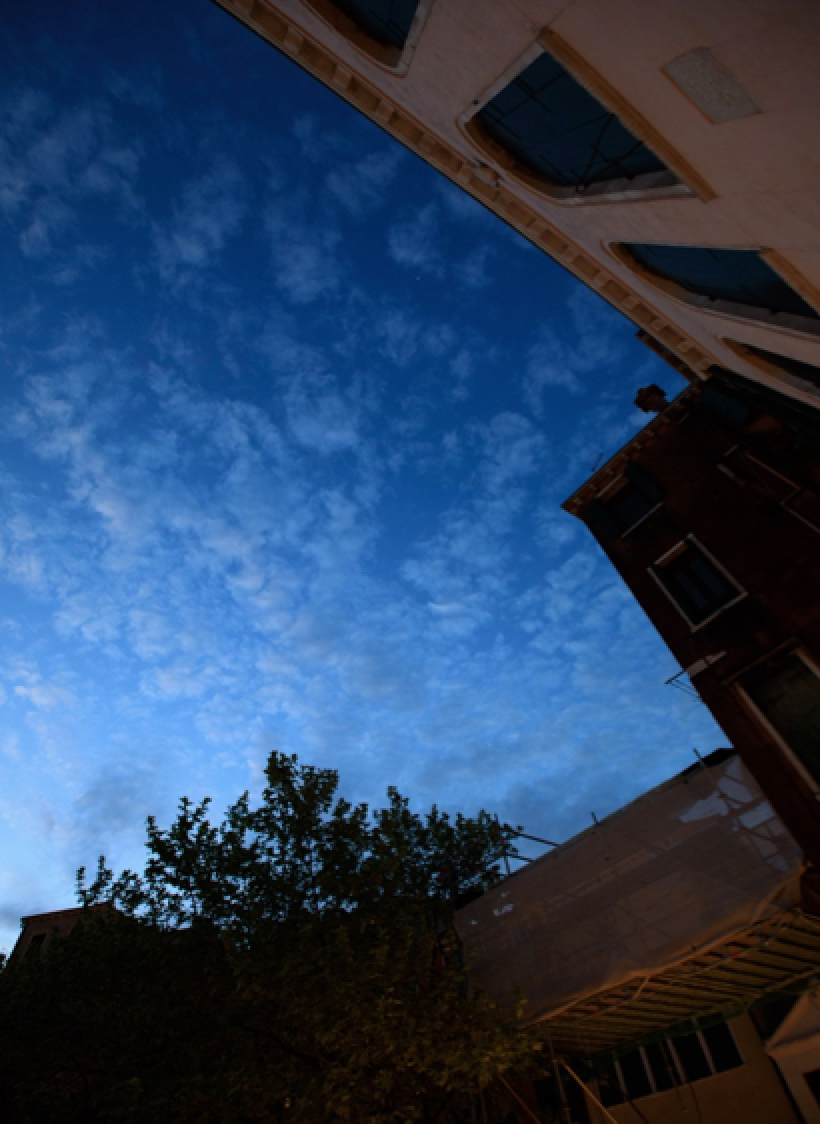
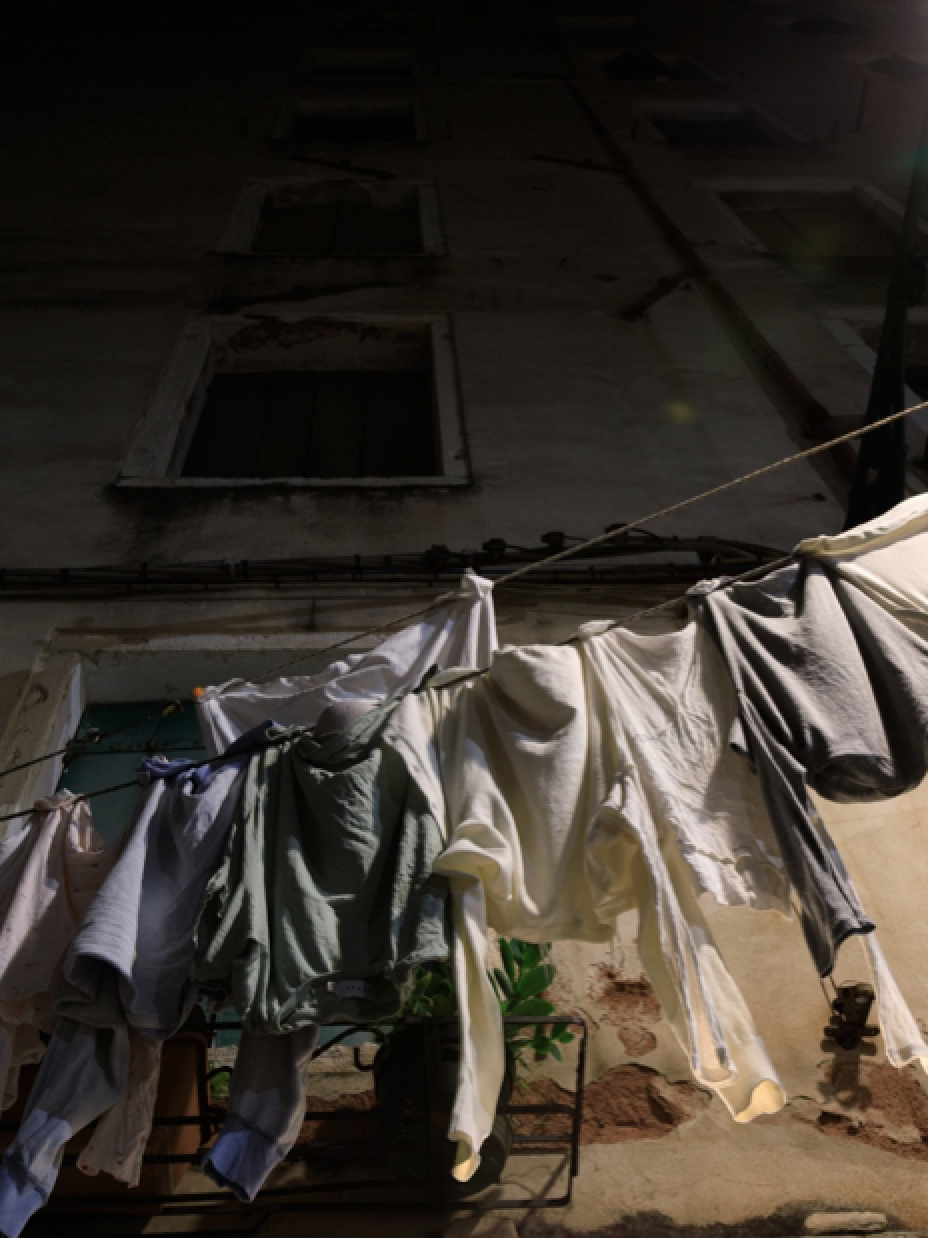
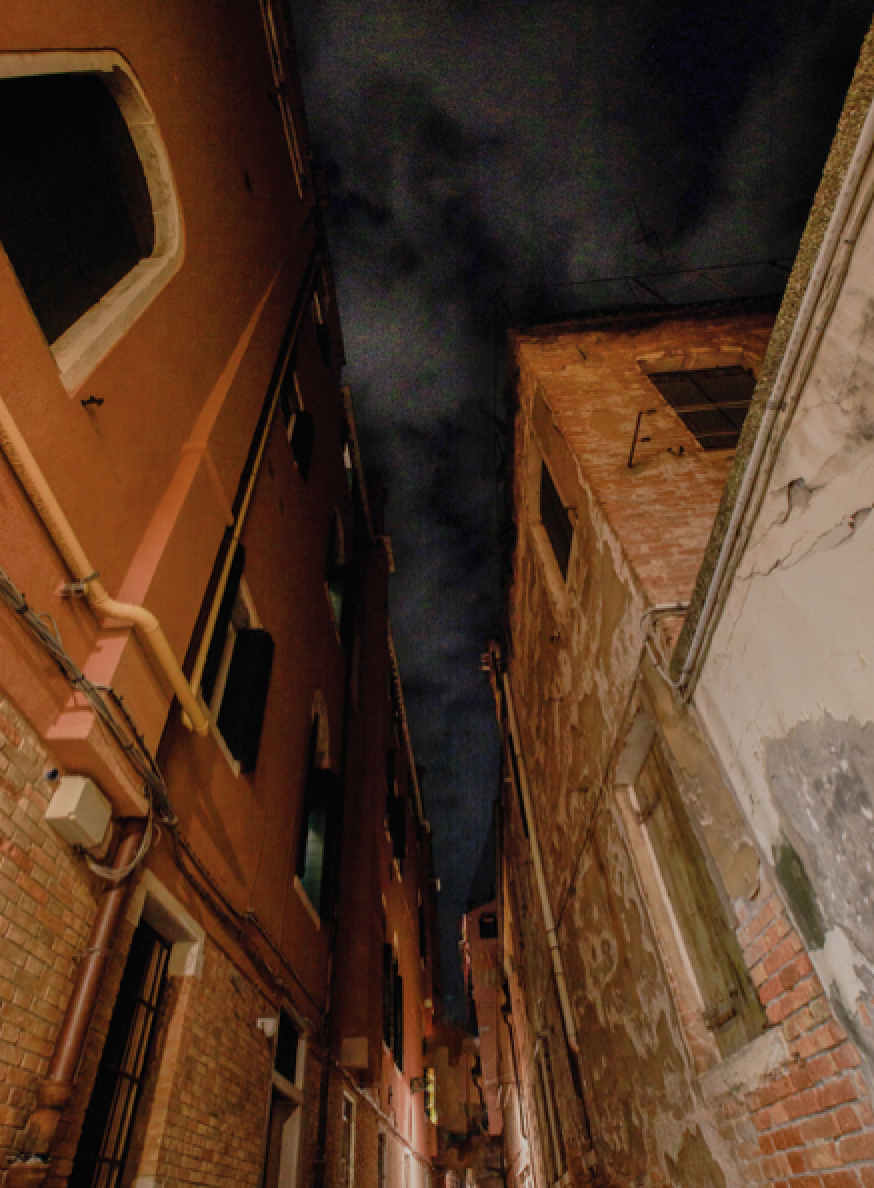
La ricerca di Judy Goldhill si concentra sull’architettura del Ghetto e sul suo rapporto con la dimensione atmosferica e cosmica. Le fotografie, presentate come vere e proprie finestre, restituiscono una visione densa e stratificata degli edifici, mettendone in evidenza la relazione con il cielo. La materia architettonica, segnata dal tempo e dalla memoria della reclusione, entra così in tensione con l’apertura dello spazio celeste. L’oscurità, le stelle e le variazioni della luce diventano elementi ricorrenti attraverso i quali l’immagine supera la semplice registrazione del luogo e apre a una riflessione sulla permanenza, sulla perdita e sulla possibilità della testimonianza.
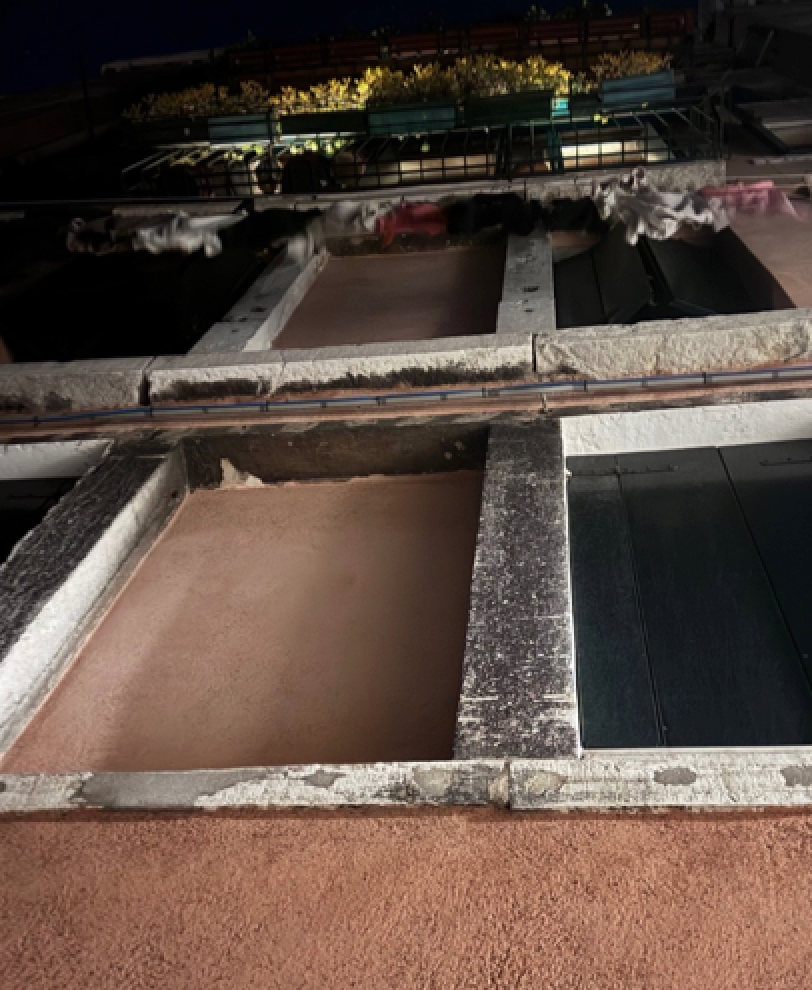
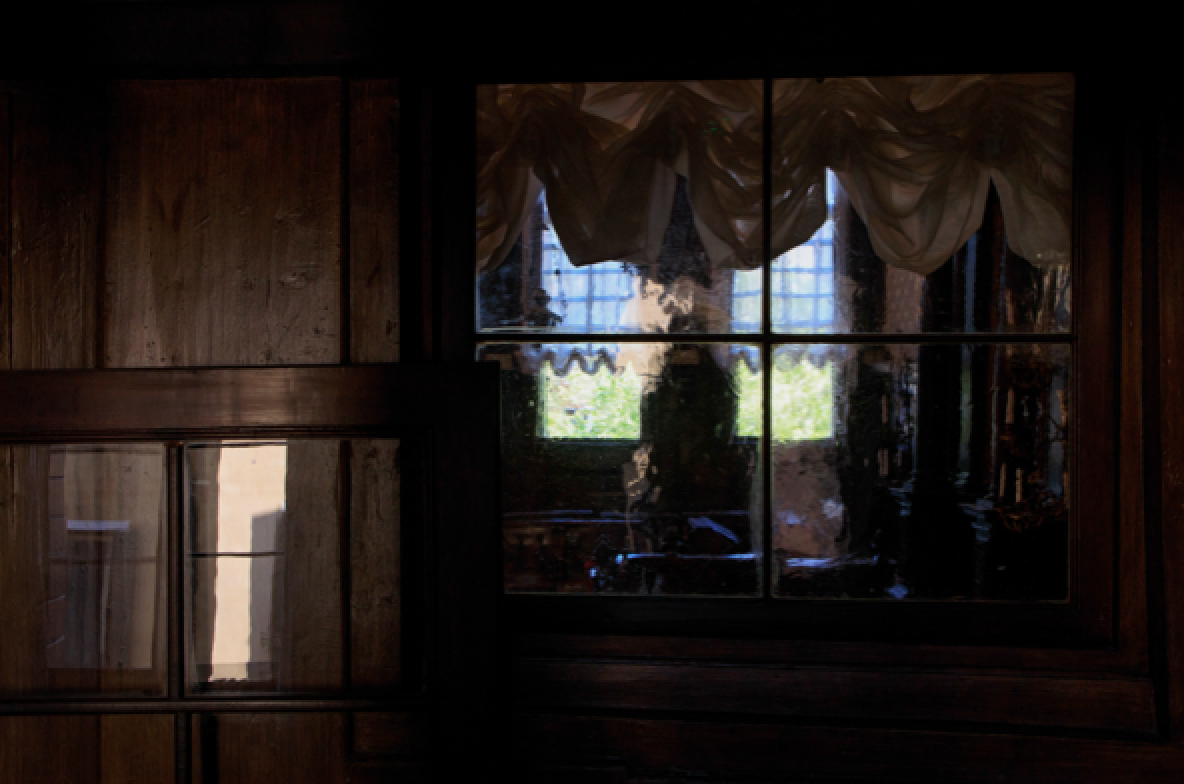
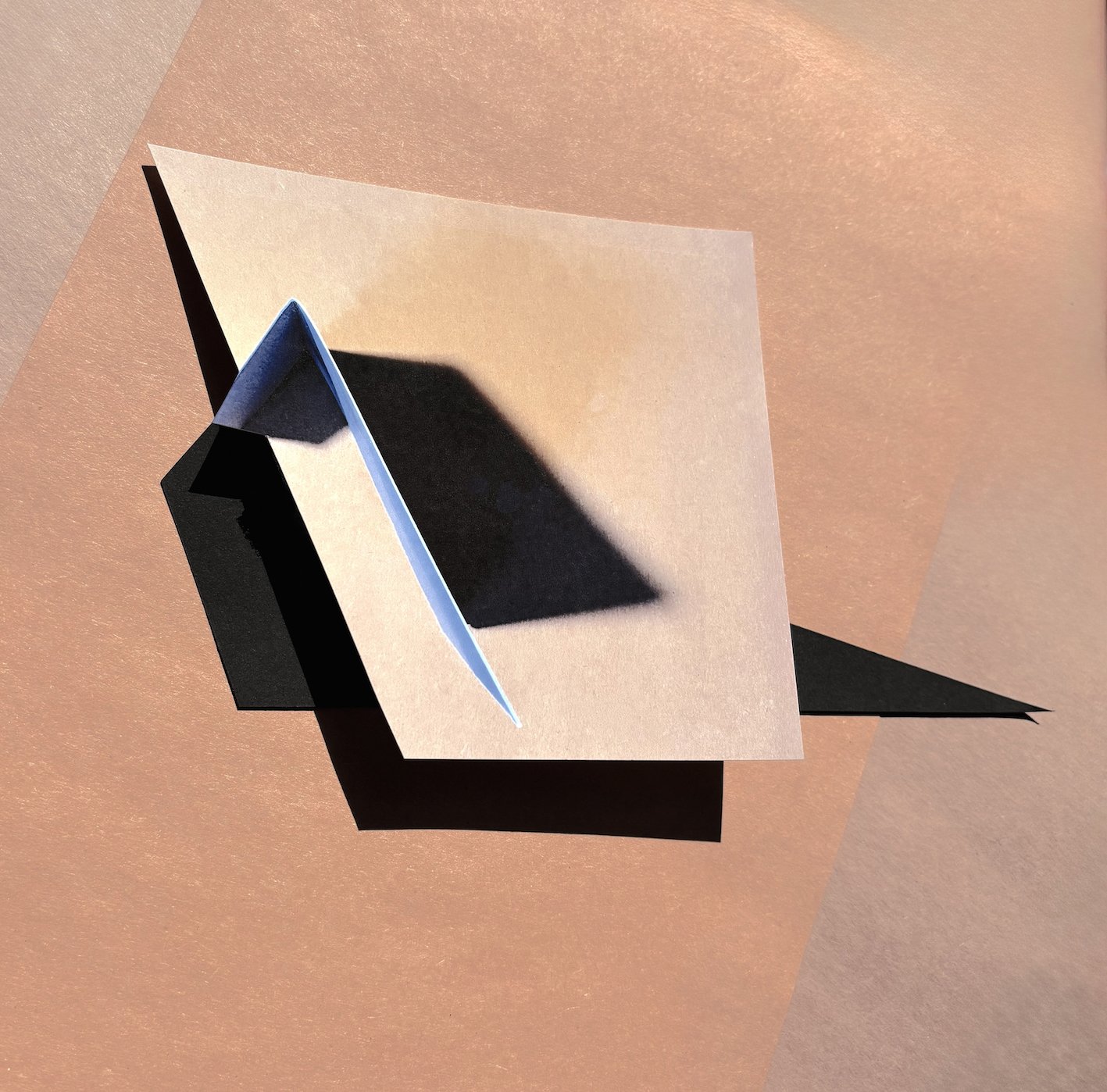
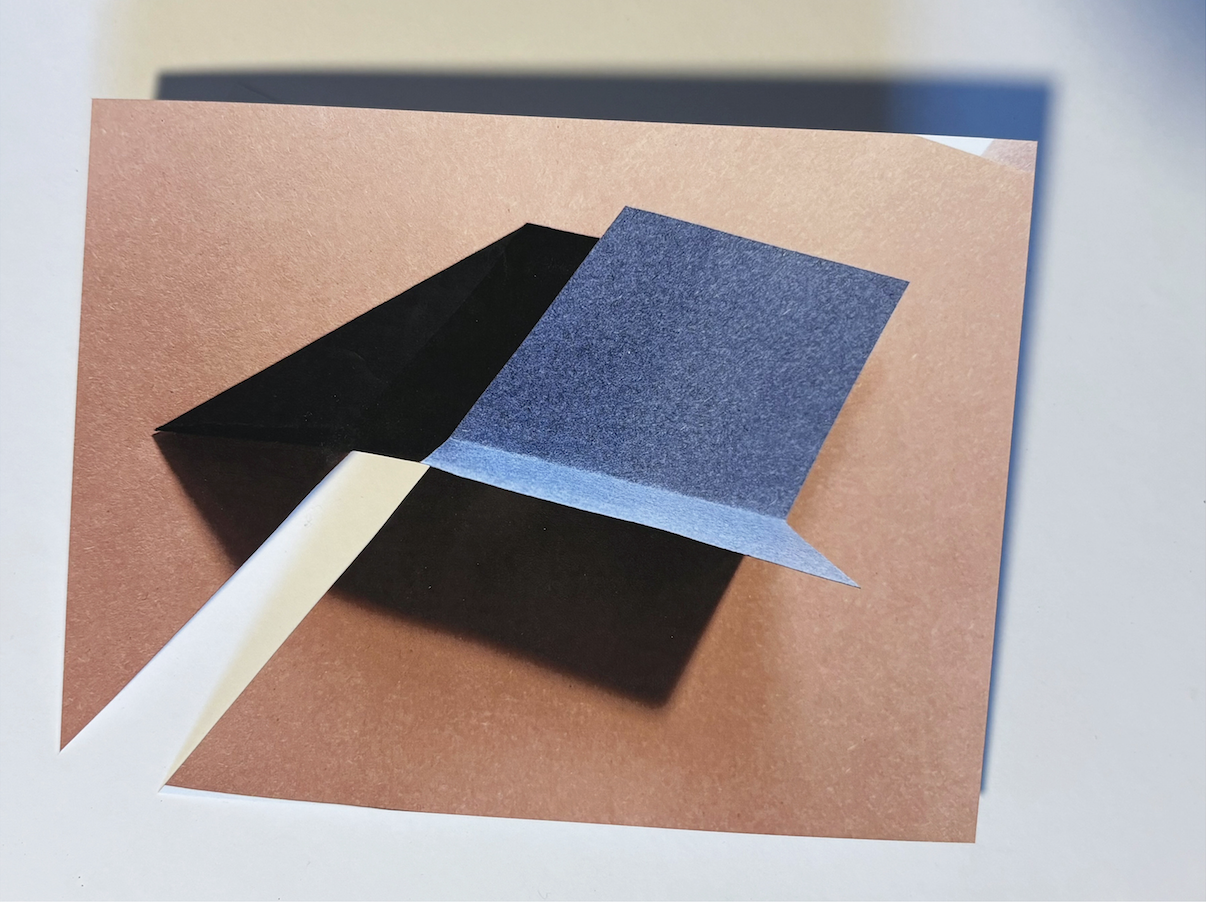
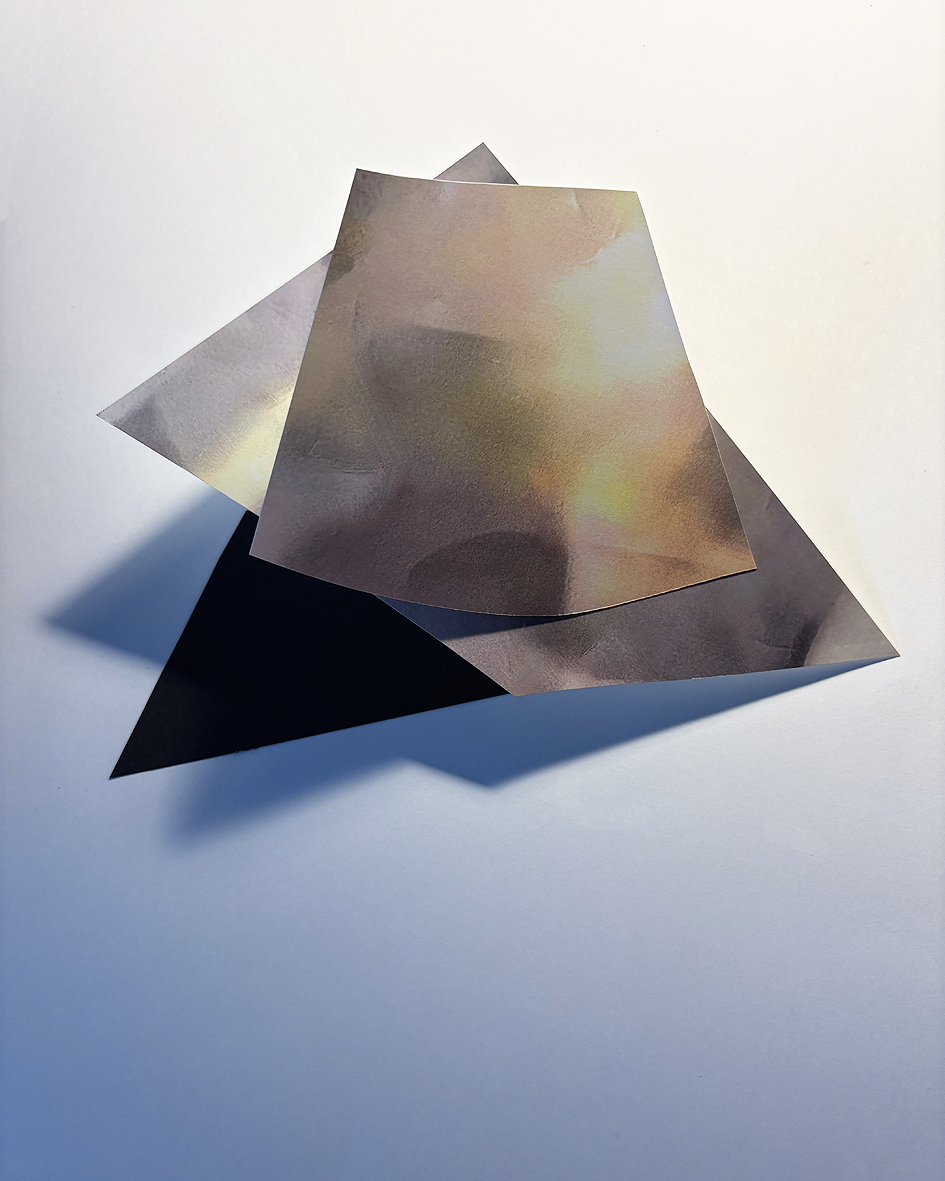
Sophie Loss interviene invece sulla percezione dello spazio attraverso una serie di opere, accompagnate dalle rispettive immagini, un riflesso della città circostante, fotografiche di riferimento. Realizzate principalmente su cartone, le strutture si fondano su processi di stratificazione e sovrapposizione che producono una deliberata instabilità visiva. Ombre costruite, rilievi apparenti e vuoti mettono in crisi la distinzione tra superficie e profondità, tra oggetto e immagine, alterando i consueti sistemi di orientamento dello sguardo.
In entrambe le ricerche, il luogo non costituisce un semplice sfondo, ma diventa materia stessa dell’indagine artistica. La dimensione fisica dell’architettura si intreccia con quella immateriale della memoria e della percezione, mentre l’atto del guardare diviene uno strumento per interrogare ciò che è visibile e ciò che rimane nascosto.
Il titolo Mirror / Rispecchiare allude a questo processo di reciprocità: le opere si riflettono tra loro, rispecchiano il luogo che le accoglie e, al contempo, restituiscono allo spettatore un’immagine instabile dello spazio e della propria percezione. La mostra propone così un’esperienza nella quale nessuna visione può essere considerata definitiva: ciò che appare come realtà può trasformarsi in immagine, mentre l’immagine può acquisire una presenza concreta e ambigua.
Attraverso linguaggi diversi, Goldhill e Loss condividono una ricerca sulla soglia tra reale e rappresentato, presenza e assenza, materia e immagine. Mirror / Rispecchiare invita quindi a considerare lo spazio espositivo non soltanto come luogo di osservazione, ma come un dispositivo percettivo e mnemonico, capace di attivare nuove letture del luogo e delle sue stratificazioni.
Il progetto è curato da John McDowall.
MIRROR / RISPECCHIARE
Exhibition by Judy Goldhill and Sophie Loss
VISIONI ALTRE, Campo del Ghetto 2918 Venezia
‘Mirror / Rispecchiare’ presents new work by London-based artists Judy Goldhill and Sophie Loss, developed through direct engagement with the spaces of VISIONI ALTRE and the unique historical and architectural layering of the Venice Ghetto.
The exhibition brings together two distinct artistic practices united by a shared reflection on the relationship between space, perception, memory, and representation. Through photography, construction, and three-dimensional interventions, the artists craft a site-specific response, establishing a dialogue between the artworks, the gallery’s architecture, and the historical context in which it is situated.
Judy Goldhill’s work focuses on the architecture of the Ghetto and its relationship with the atmospheric and cosmic realms. Her photographs, presented as windows, offer a dense, layered view of the buildings, highlighting their connection to the sky. The architectural fabric, marked by time and the memory of confinement, thus enters into a tension with the openness of the celestial expanse. Darkness, stars, and shifting light become recurring elements through which the image transcends a mere recording of the site, opening up a reflection on permanence, loss, and the possibility of bearing witness.
Sophie Loss, meanwhile, addresses the perception of space through a series of constructed works accompanied by their corresponding photographic reference images – a reflection of the surrounding city. Created primarily from paper and card, these structures rely on processes of layering and overlapping, to generate a deliberate visual instability. Constructed shadows, apparent reliefs, and voids challenge the distinction between surface and depth, and between object and image, thereby altering the viewer’s customary modes of orientation – a reflection of the surrounding city.
In both bodies of work, the location serves not merely as a backdrop but becomes the very substance of the artistic inquiry. The physical dimension of architecture intertwines with the immaterial realm of memory and perception, while the act of looking becomes a tool for questioning both the visible and the hidden.
The title ‘Mirror / Rispecchiare’ alludes to this process of reciprocity: the works reflect one another and the site that houses them, while simultaneously offering the viewer an unstable image of the space and of their own perception. The exhibition thus proposes an experience in which no view can be considered definitive: what appears as reality may transform into an image, while an image may take on a concrete yet ambiguous presence.
Employing distinct artistic languages, Goldhill and Loss share an exploration of the threshold between the real and the represented, presence and absence, matter and image. ‘Mirror / Rispecchiare’ invites us to view the exhibition space not merely as a place of observation, but as a perceptual and mnemonic device capable of unlocking new interpretations of the site and its layers of meaning.